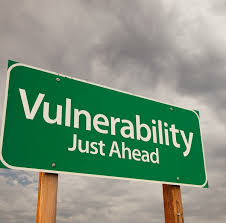
“Vulnerability isn’t measured by the amount of exposure it has“
Today I’m writing about vulnerability and failure. How we all live in a world where we’re asked to embrace both and why that’s so challenging.
We spend a large chunk of our lives either at work or thinking about work, which means we unknowingly tie a large portion of our identity with our sense of purpose, belonging, fulfillment, success and failure when it comes to our perceived value and contribution. Therefore, how we feel at work inevitably impacts how we feel about ourselves outside of work, and vice versa. This cyclical pattern was amplified during the covid pandemic when we started working from home and the line between the two continued to blur. It’s challenging to have a tough day in the office (or second bedroom) and walk out into your lounge room at 5pm with a different attitude. Therefore, when we choose to actively work on ourselves, learn a new skill, go after a promotion, or put ourselves out there in a way that requires us to admit we actually care, it makes us feel vulnerable.
Being vulnerable is risky because it challenges our psychological safety. We have seen time again how it pushes people into the margins. It’s difficult to admit you don’t know, or that you weren’t perfect, or could have done things differently. It’s outwardly admitting weakness, blindspots or areas of improvement. You’re literally telling yourself and others that it wasn’t the best. This exposes you, while giving others a reason to place blame, to criticize or pass judgment, which in turn is difficult to argue against after just having admitted to your shortcomings. The difference is, when vulnerability is encouraged and nurtured end-to-end, it allows people the space to discuss the inner workings of their mind, dig a little deeper and share new ways of thinking. When we put someone down for not getting it right, we destroy the path that leads to positive impact and we get stuck in an unhelpful pattern of negativity.
I feel is timely to reference Brene Brown here – particularly in a work setting, for those who value rank, competition and making others feel uncomfortable or fearful, then it’s the type of culture that should not be asking others to express vulnerability. If you’ve decided to use fear as a tool, then instead of asking for vulnerability, you should ask for compliance. Fear is heightened when the receiver is most susceptible to pain. So if you add fear, judgement, criticism, awkward silence and blank stares into a petri dish, shame will grow exponentially. The magic cure to this is dropping in a healthy dose of empathy.
It’s so much harder to be “in it” with the person than it is to stand back and judge.
“It is not the critic who counts; not the man who points out how the strong man stumbles, or where the doer of deeds could have done them better. The credit belongs to the man who is actually in the arena, whose face is marred by dust and sweat and blood; who strives valiantly; who errs, who comes short again and again, because there is no effort without error and shortcoming; but who does actually strive to do the deeds; who knows great enthusiasms, the great devotions; who spends himself in a worthy cause; who at the best knows in the end the triumph of high achievement, and who at the worst, if he fails, at least fails while daring greatly, so that his place shall never be with those cold and timid souls who neither know victory nor defeat.”
― Theodore Roosevelt
Self awareness is key to understanding whether you are the critic, in the arena, or jumping between the two. You will know where you sit by measuring your level of discomfort. During a tough discussion when a person is communicating vulnerability, if you feel extremely comfortable, judgemental, or better then, you’re no longer in the arena with them.
I want to share some of my key takeaways:
- Different is better, than better.
- Difference is a feature, not a bug.
- “Fitting in” is the opposite of belonging.
Let me elaborate on that last point. “Belonging” is feeling accepted for exactly who you are and knowing that is more than enough. “Fitting in” is feeling like you need to change who you are in order to mesh well with your surroundings. We should all have the ability to be silly and present and have that be ok. To be able to show up happily and do your natural best. It’s not that people “have it” or not, everything is a skill and can be learned, or re-learned. So if failing is not welcomed, then everybody loses.
Practicing gratitude and joy are some of the more vulnerable human emotions because it’s more challenging to self-protect. But imagine the feeling of letting go of fear and leaning into joy, while having a supporting environment that nurtures your growth instead. Ultimately, we all want the same thing and need to work together to cultivate the type of environment that is conducive to our wellness in and outside of work.
 Body and Mind by Design